Inside Bali’s Living Tradition: How The Rituals and Festivals Shape Island Life

A cultural traveller’s guide to seeing Bali and Indonesia beyond tourism
Indonesia is a country where faith doesn’t live inside temples — it spills gently into everyday life. On the islands, spirituality is not an event but a rhythm: the rustle of palm leaves carried to the sea as offerings, the steady thump of drums rehearsing for evening ceremonies, the smell of incense wafting from a warung before breakfast.
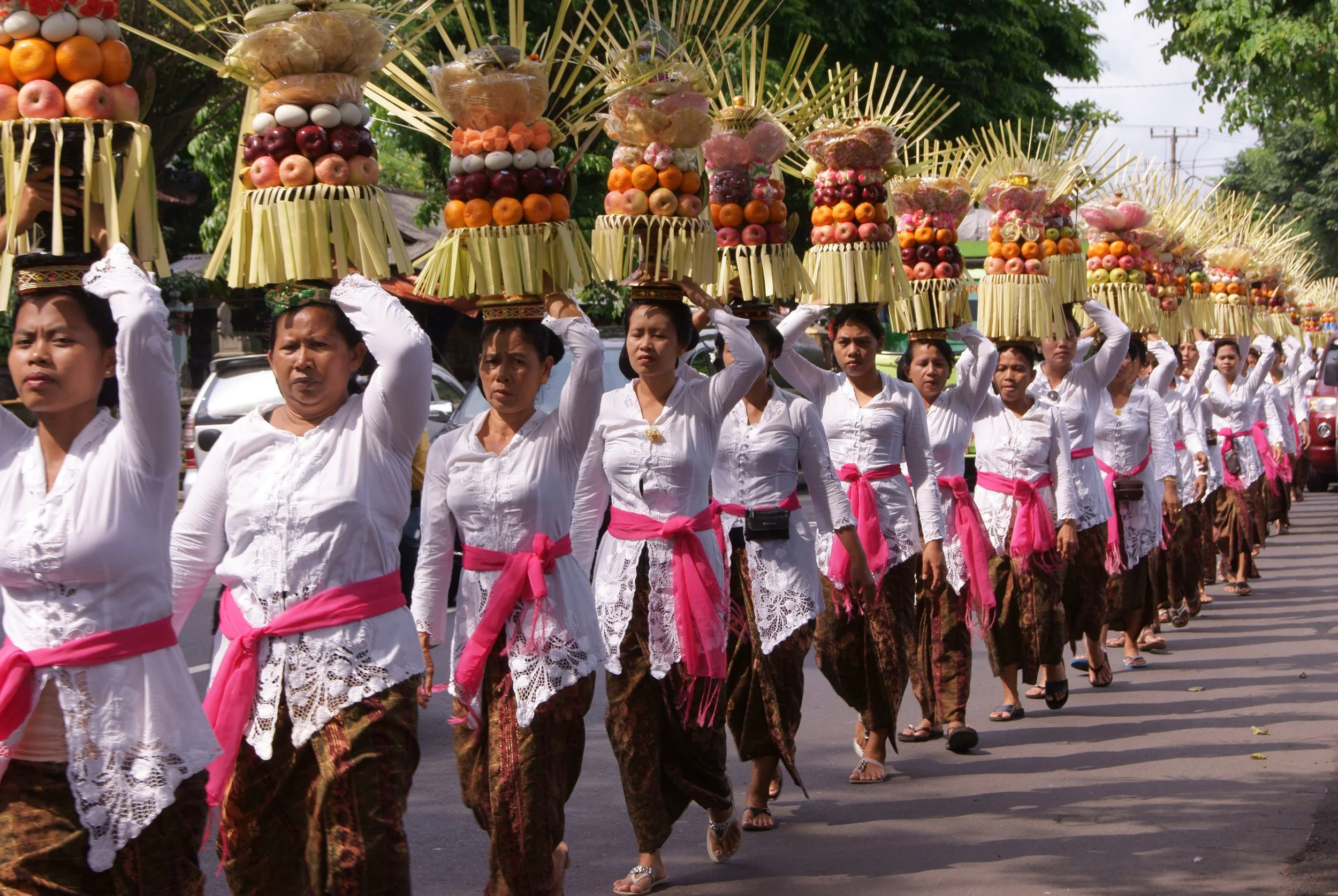
For the culture-curious traveller, few places reveal this fusion of life and devotion as beautifully as Bali, where temple festivals (called Odalan) and everyday rituals blend seamlessly into the daily landscape. But this connection between life and faith doesn’t end with Bali — it extends to islands like Java, Lombok, and Flores, each carrying its own living relationship with the sacred.
Let’s explore this living tapestry.
Odalan: When a Temple’s Birthday Becomes a Community’s Soulbeat
Every temple in Bali is believed to have a spiritual “life.” Its birthday, called Odalan, happens every 210 days — a cycle tied to the Balinese pawukon calendar. Unlike the grand festivals advertised to tourists, most Odalan celebrations are hyper-local: deeply intimate affairs where families gather, priests chant mantras, and gamelan orchestras rehearse melodies that have echoed for centuries.
What makes Odalan special?
It isn’t a performance; it’s a reunion — between gods, ancestors, and the living community.
Elaborate offerings are handmade at home, not purchased.
Music and dance emerge naturally, not as staged shows.
The entire village participates, from teenagers preparing penjor poles to elders leading rituals.
For travellers, witnessing an Odalan — quietly, respectfully — offers a glimpse into how devotion shapes not just temples, but entire social structures in Bali.
Offerings (Canang Sari): The Language of Gratitude
If Odalan is the festival, then canang sari is the daily poem. These small palm-leaf baskets filled with flowers and rice are placed everywhere — doorsteps, scooters, office desks, beachside cafés.
They represent:
Harmony between humans and nature (Tri Hita Karana)
Gratitude for life’s balance
Protection and blessing before any activity begins
The beauty is in the repetition. A Balinese woman preparing offerings each morning is not performing a chore — she’s communicating, negotiating balance between worlds seen and unseen.
Travellers often ask:
“Why so many offerings?”
The answer: because life flows constantly, so gratitude must, too.
Dance, Drums & Devotion: Art That Breathes With Faith
Traditional Balinese dance — whether Legong, Barong, Rejang, or Sanghyang — isn’t entertainment at its core. Historically, it has been a ritual language.
What makes ritual dances unique?
Movements aren’t symbolic; they are conduits for spirit and story.
Music is layered like prayer — syncopated yet meditative.
Dances were created for deities first, humans second.
Most travellers see a commercial performance. But the real magic lies in the temple courtyards at night, when performers dance for the gods, not an audience. If you are lucky to witness one of these closed community ceremonies (with permission), you will feel the island’s spiritual pulse in full force.

Beyond Bali: Island Rituals That Shape Daily Life Across Indonesia
Java – Shadow puppetry as philosophy
Wayang kulit isn’t only art; it’s a night-long spiritual discourse. Stories of Rama, Krishna, and local heroes serve as moral guidance for communities. Performances accompany ceremonies such as weddings, harvest seasons, or circumcision rites.
Lombok – Wetu Telu rituals that blend Islamic and Indigenous beliefs
In traditional Sasak villages, religious life is an intricate blend of Islam and ancestral worship. Elders lead rituals at sacred springs, where women carry offerings in woven baskets — a visual harmony of past and present.
Flores – The Caci whip dance of the Manggarai people
Performed at thanksgiving festivals, these ceremonial duels are both blessings and cultural identity markers, blending physical strength with spiritual symbolism.
Each island has its own way of weaving the sacred into the everyday — turning routine into ritual.
How to Experience Indonesian Rituals Respectfully (And Deeply)
Here’s how travellers can witness these traditions authentically:
1. Go with a local guide
Culture-specific guides in Bali, Java, Flores, or Lombok can help you attend village ceremonies respectfully and explain the symbols and meanings.
2. Dress modestly
Sarongs and sashes are essential for temple visits. Many temples offer them for free.
3. Don’t enter private rituals uninvited
Ask locals or guides for permission — some ceremonies are family-only or community-specific.
4. Observe first, photograph later
Always prioritise presence over content. When in doubt, ask before taking photos.
5. Support local artisans
Buy offerings baskets, temple umbrellas, wood carvings, or gamelan crafts made by village cooperatives — it keeps traditions alive.
6. Travel sustainably
Avoid disrupting rituals, leaving waste, or blocking pathways during ceremonies.
Why This Matters: Faith as the Island’s Living Architecture
Bali’s temples are breathtaking, but its authentic spiritual architecture is invisible — built from rituals, community ties, and the daily practice of gratitude.
As tourism grows, these traditions risk becoming spectacles. When travellers approach them with respect, curiosity, and humility, they help preserve the delicate ecosystem of culture and faith.
In Indonesia, every offering, drumbeat, chant, and dance has a heartbeat of its own — and when you travel mindfully, you get to feel it.