7 Villages to Enjoy the Slow-Paced Balinese Life: A Guide to Living the True Bali Way
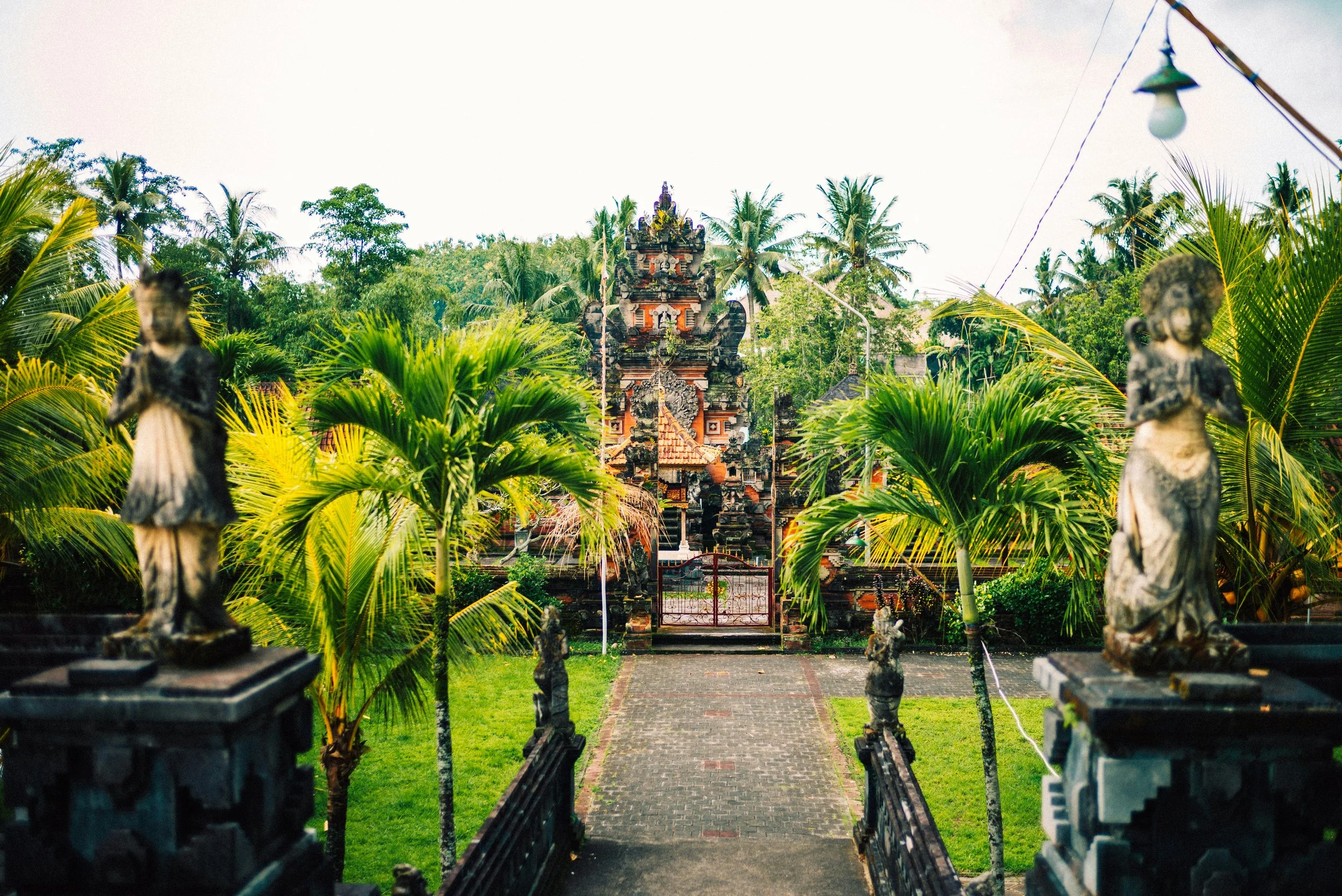
Bali is often sold through postcards — beaches, infinity pools, spas, and cafés. But beyond its tourist trail exists the real Bali: a rhythm of life shaped by community, spirituality, nature, and tradition. What makes Balinese life so unique is its deep grounding in Tri Hita Karana — the philosophy of harmony between humans, nature, and the divine.
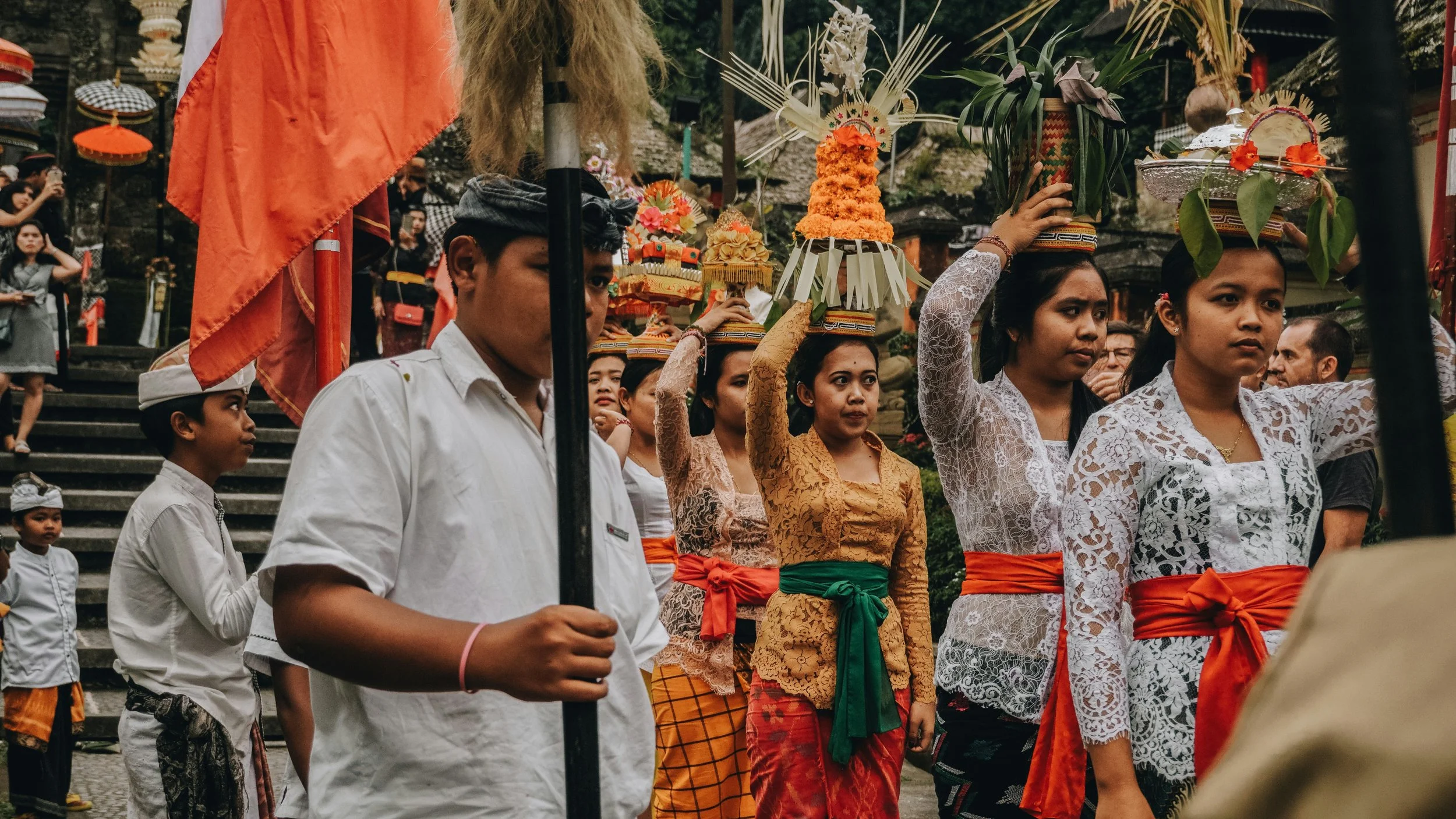
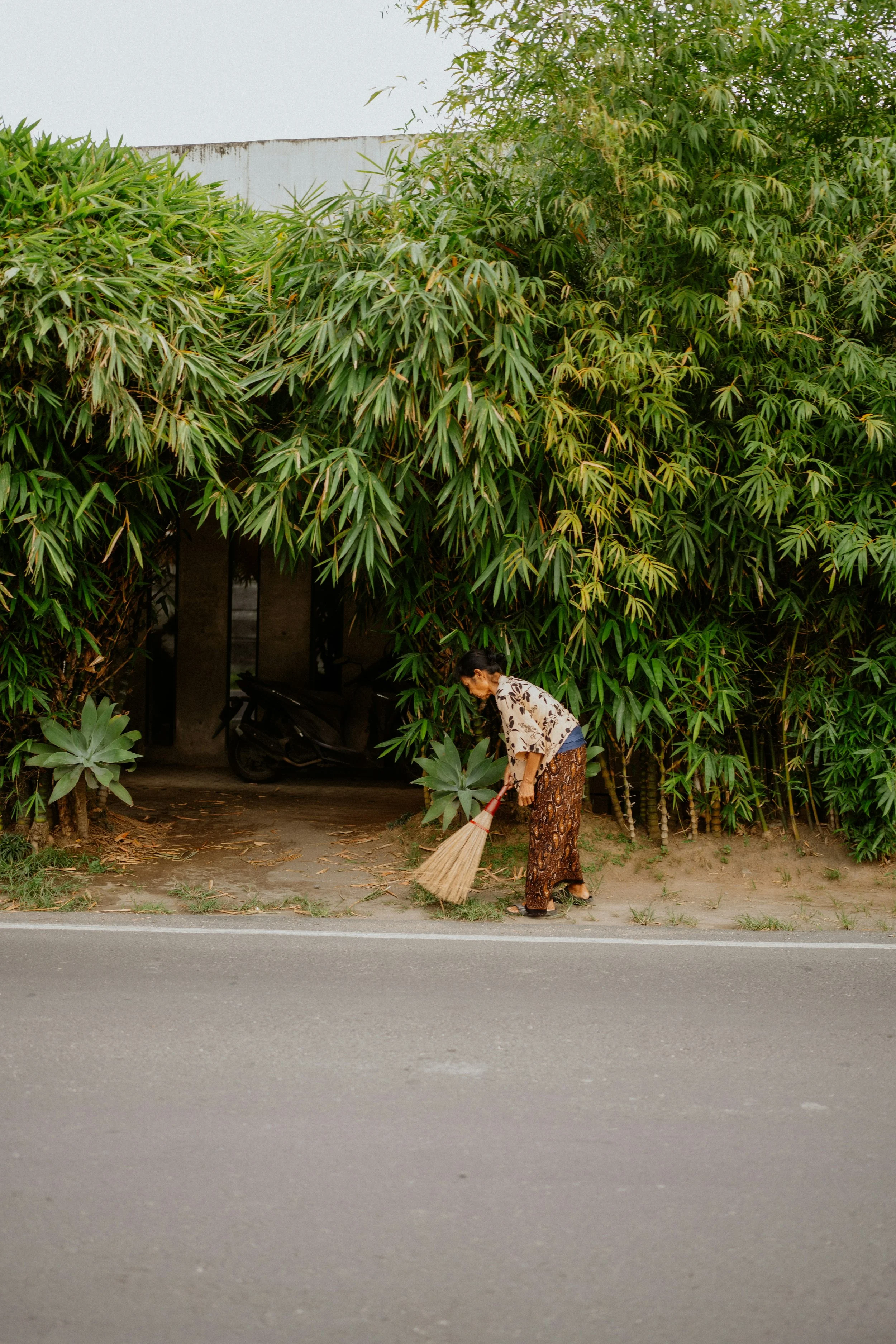
In the villages, this philosophy isn’t just theory — it’s an everyday way of life. People wake up to temple offerings, share food with neighbours, tend their rice fields, practice the arts, and gather for rituals that bind the community.
If you’ve ever dreamt of living a slower, more mindful, and connected life, these seven villages in Bali offer a beautiful doorway into that world.
What Is the Balinese Way of Living?
Before we explore the villages, understanding the Balinese Way sets the tone:
1. Harmony with Nature
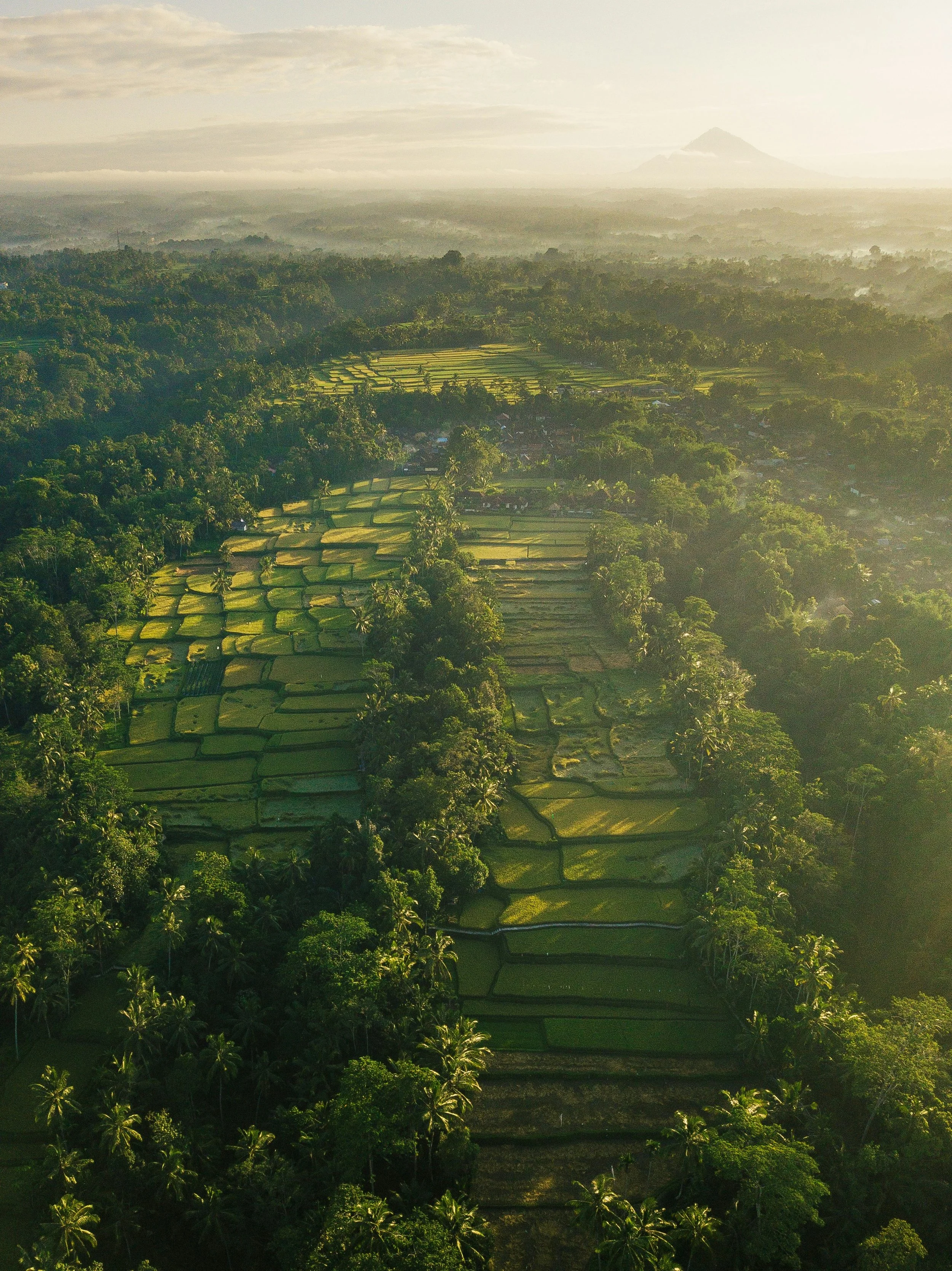
Balinese communities farm rice using the ancient Subak system — a UNESCO-recognised irrigation network that relies on cooperation, community decisions, and temple rituals.
2. Daily Offerings (Canang Sari)
Small woven baskets of flowers are offered every morning to express gratitude, maintain balance, and honour spirits.
3. Community Participation
Villagers join ceremonies, prepare feasts, clean temples, and maintain public spaces together — known as gotong royong (mutual cooperation).
4. Art as a Daily Practice
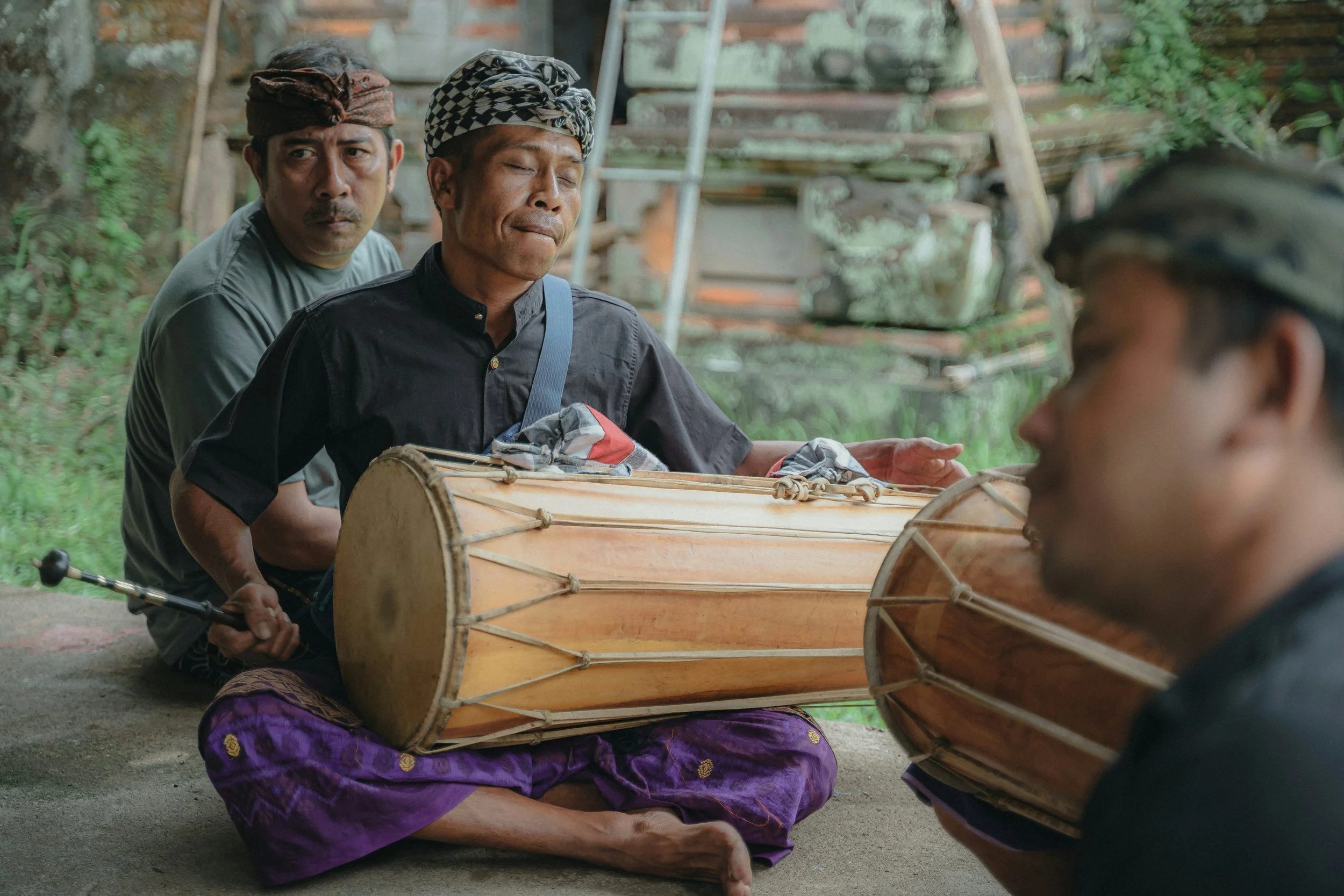
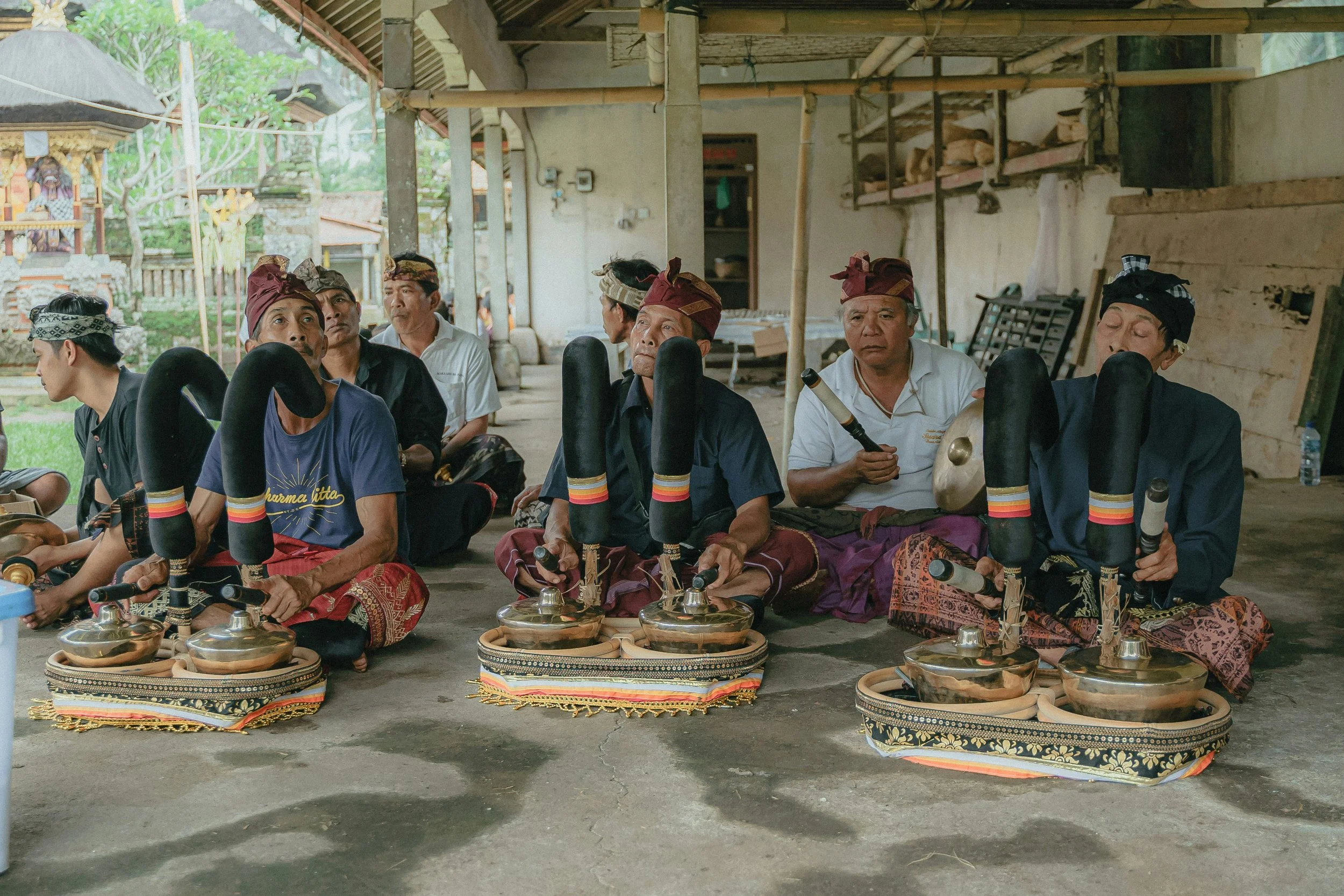
Dance rehearsals, gamelan music, wood carving, weaving — these aren’t tourist performances, but living traditions.
5. Sustainability as a Way of Life
Natural materials, low waste, respect for land, seasonal food, and communal farming still define daily routines.
7 Villages to Enjoy the Slow-Paced Balinese Life
1. Sidemen — The Valley of Timeless Peace
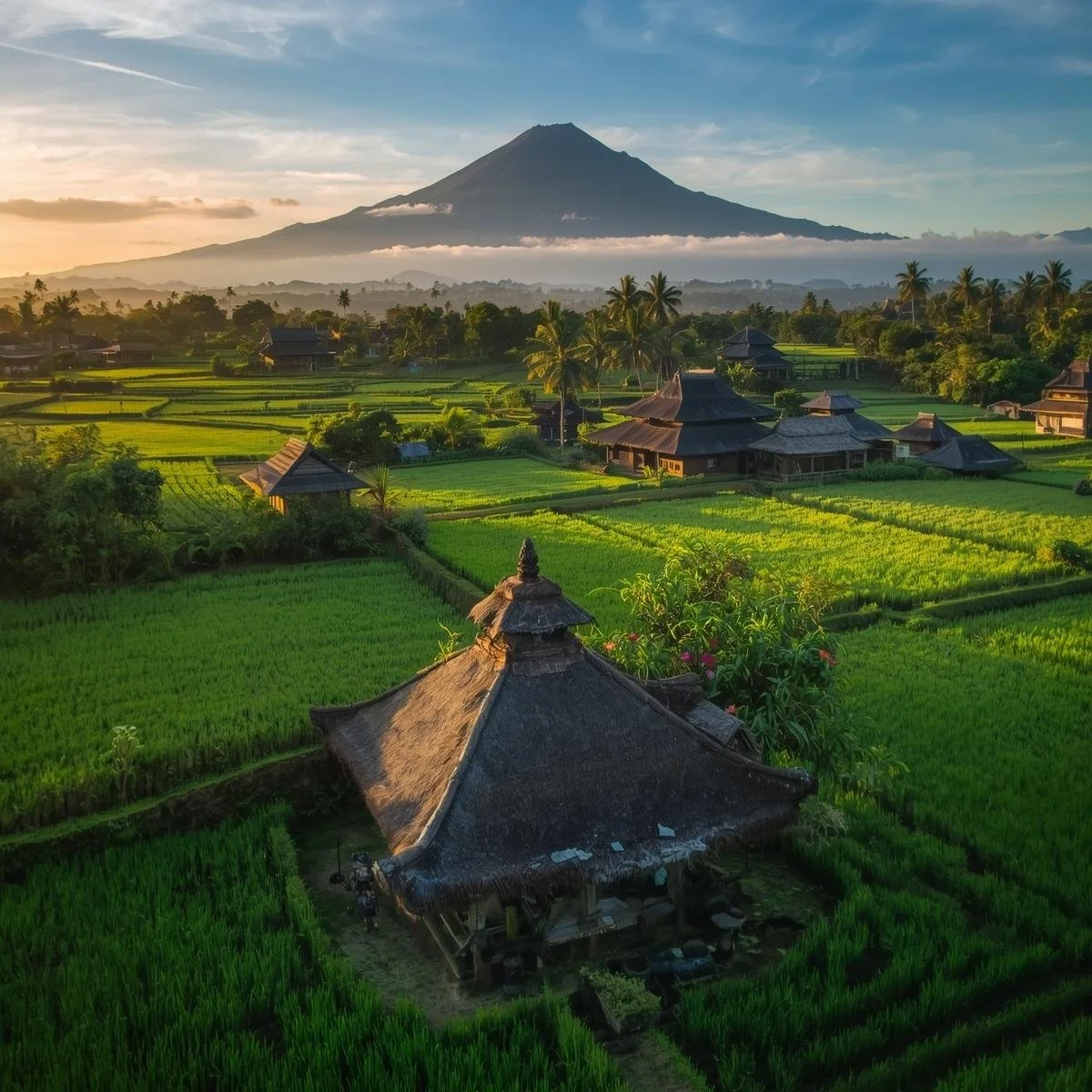
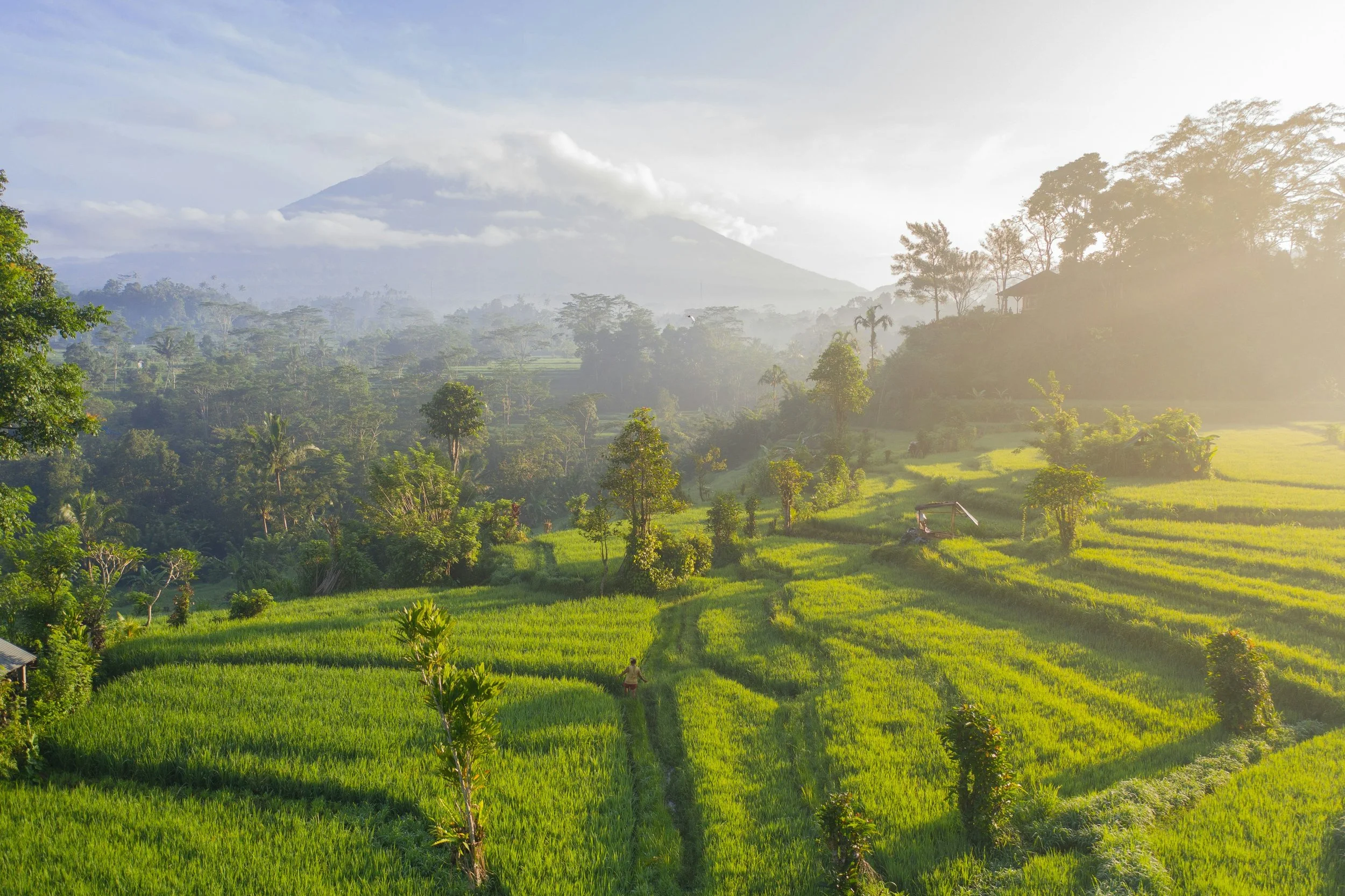
Sidemen feels like a postcard from old Bali: terraced rice fields, slow mornings, and the majestic Mount Agung watching over the valley.
What to experience:
Walk through traditional Subak irrigation fields
Silver-making workshops
Morning market rituals
Yoga and slow-living retreats
Where to stay:
Sawah Indah Villa (family-run, surrounded by rice fields)
Surya Shanti Villa (ideal for extended stays)
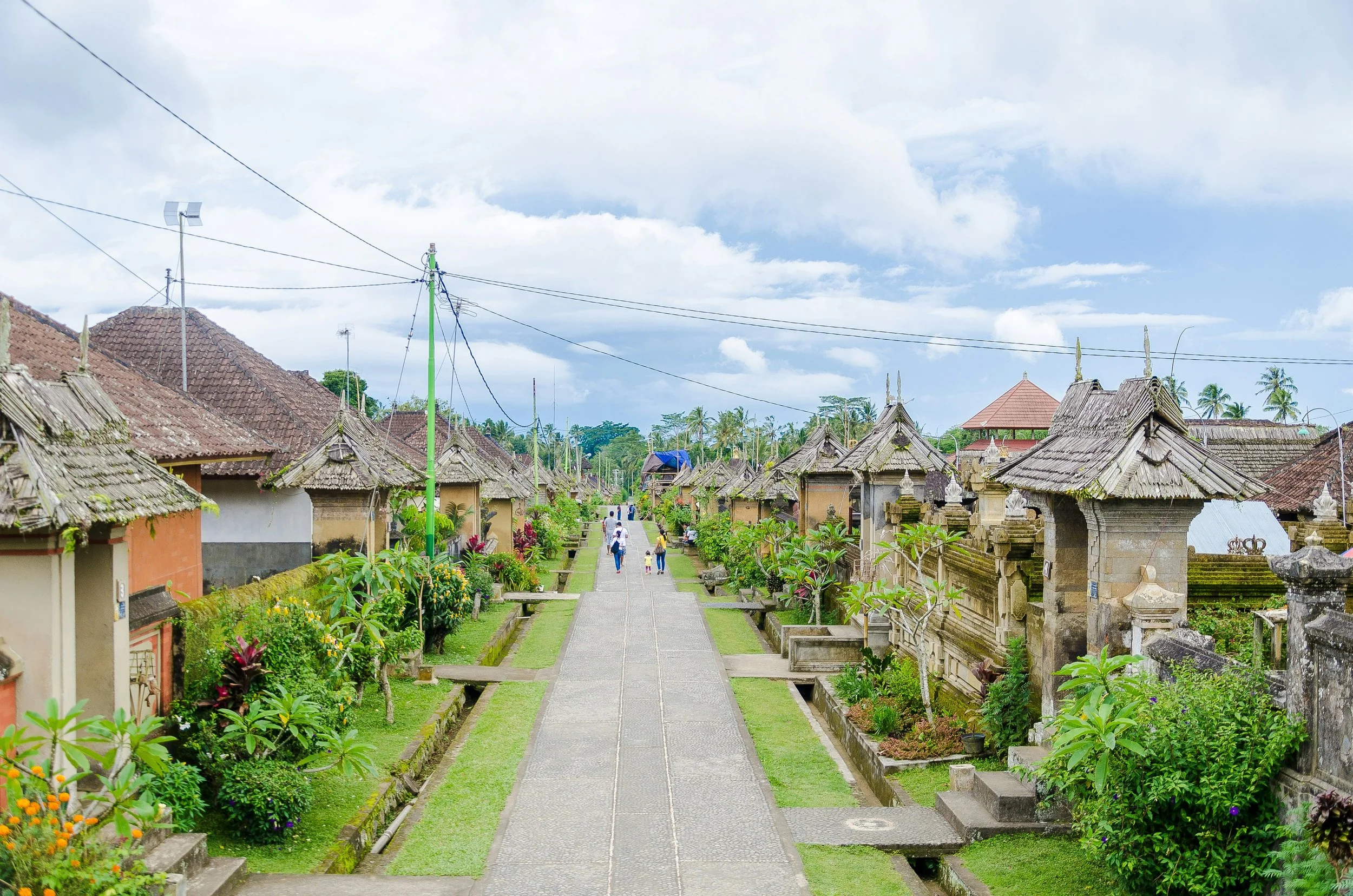
2. Penglipuran — The Village of Bamboo & Tradition
Known for its beautiful architecture and preserved culture, Penglipuran offers an intimate look at Balinese ancestral homes and community life.
What to experience:
Bamboo forest trails
Heritage homes with open courtyards
Local snacks like klepon
Where to stay:
Penglipuran Homestay Community Program (live with local families)
3. Tenganan Pegringsingan — The Bali Aga Heartland
This ancient village preserves Bali’s pre-Hindu traditions, known for its double-ikat weaving and ritual celebrations.
What to experience:
Watch Geringsing weavers at work
Participate in village ceremonies
Explore stone pathways & traditional compounds
Where to stay:
Tenganan Culture Homestay (immersive stays)
4. Jatiluwih — The UNESCO Rice Terrace Village
Jatiluwih is Bali’s agricultural soul — vast terraces, cool climate, sustainable farming, and slow-paced rural harmony.
What to experience:
Subak trekking routes
Organic farm meals
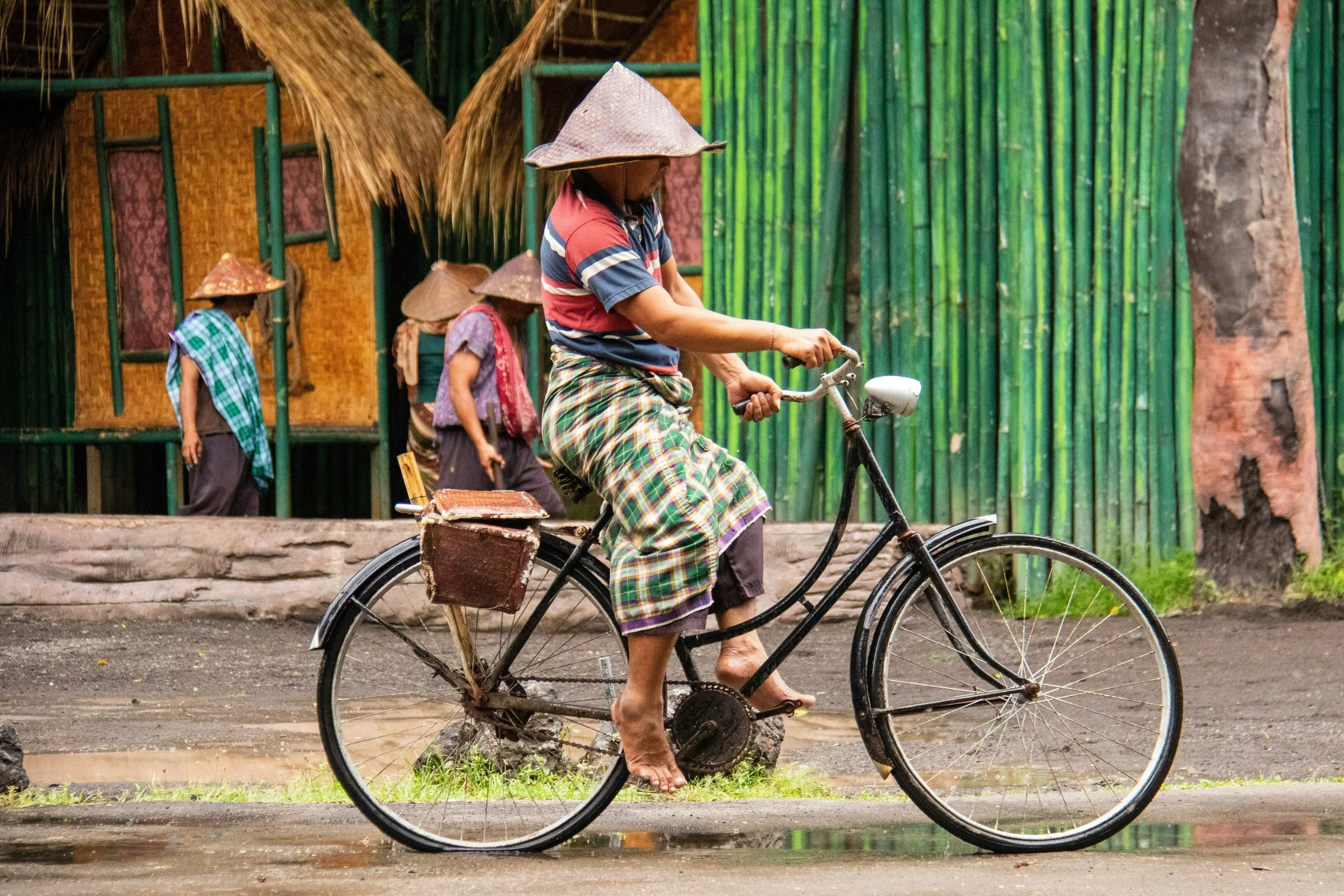
Cycling through terraces
Where to stay:
Sang Giri Mountain Tent Resort
Jatiluwih Rice Terrace Homestays
5. Abang (Karangasem) — For Those Seeking Silence & Mountains
A peaceful rural haven known for quiet sunsets, mountain homes, herbal gardens, and families who still preserve old Balinese customs.
What to experience:
Traditional Balinese cooking
Trekking to Lempuyang Temple
Palm wine tapping
Where to stay:
Balila Beach Resort (community-engaged living)
6. Seseh — A Coastal Village for Creative Slow Travellers
Located near Canggu but untouched by crowds, Seseh blends sea temples, quiet beaches, and deeply ritualistic village life.
What to experience:
Fishermen’s morning routines
Temple festivals on the sand
Sunset surfing without crowds
Where to stay:
Seseh Village Homestay
Ecozy Dijiwa Sanctuary
7. Nyuh Kuning — Ubud’s Most Peaceful Creative Village
A charming, walkable village famous for its eco-conscious community and artistic expressions.
What to experience:
Wood carving workshops
Daily offerings outside every home
Clean, green village lanes
Easy access to Monkey Forest
Where to stay:
Ubud Nyuh Bali Resort & Spa
Nyuh Kuning Family Homestays
How to Experience the Balinese Way of Life
* Participate in daily offerings
Ask your host if you can learn how to prepare canang sari.
* Join farming activities
Many homestays allow you to plant rice, harvest vegetables, or learn Subak traditions.
* Learn a craft
Try wood carving, batik making, weaving, or gamelan lessons.
* Eat local & seasonal
Opt for village warungs serving local greens, root vegetables, sambal, and heritage recipes.
Planning a Long-Term Stay in a Balinese Village
Documents & Practical Needs
Stay on a B211 visa or KITAS for long-term
Choose villages with coworking cafés nearby (Sidemen/Ubud outskirts)
The internet is reliable in most homestays
Essentials to Carry
Light cotton clothing
Mosquito repellent
Modest outfits for temple visits
Reusable bottle & tote bag
Walking shoes
Basic Balinese phrases (your host will love it!)
Sustainable Behaviour
Do not enter temples without proper attire
Support local artisans
Respect rituals and processions
Avoid plastic
Walk/cycle to reduce impact
Buy local produce instead of imported groceries