8 Unexplored Temples in Bali Perfect for Meditation, Photography & Cultural Immersion

Bali may be known for its iconic temples like Tanah Lot and Uluwatu, but some of its most soul-stirring sanctuaries sit quietly beyond the tourist trail. These lesser-known temples are places where ancient Balinese architecture meets deep spiritual silence — where moss-covered stones, incense smoke, and whispering breezes create an atmosphere untouched by crowds.
If you’re a traveller craving stillness, architectural beauty, and a deeper connection to Bali’s sacred geography, here are eight hidden temples to add to your journey, along with tips on planning your visit.
1. Pura Kehen (Bangli) – “The Mini Besakih”
Nestled in the lush highlands of Bangli, Pura Kehen is a multi-tiered, terraced temple dating back to the 11th century. Its grand entrance staircase, lined with guardian statues, leads you to a courtyard framed by ancient banyan trees.
Why visit: Majestic architecture, fewer tour buses, and a serene worship ambience.
Best for: Architecture lovers & culture photographers.
2. Pura Taman Ayun (Mengwi’s Quiet Corners)
Although Taman Ayun is somewhat known, the inner courtyards remain blissfully less visited. Its mossy shrines, lotus-filled canals, and meru towers form one of Bali’s most elegant temple complexes.
Why visit: Water-garden elegance, peaceful pathways, centuries-old royal architecture.
Best for: Slow travellers & temple sketchers.
3. Pura Lempuyang’s Lower Shrines (Not the “Gate of Heaven”)
While everyone queues for the famous photo at the upper shrine, the lower temples of Lempuyang — peaceful, forest-lined, deeply spiritual — are nearly empty.
Why visit: Jungle serenity, ancient stone carvings, authentic prayers.
Best for: Spiritual seekers & hikers.
4. Pura Dalem Pingit Lan Pura Beji (Sangsit)
These twin temples are masterpieces of North Balinese carving, featuring intricate floral stonework, mythical guardians, and dramatic reliefs that tell stories of Balinese cosmology.
Why visit: Exquisite Baroque-like wood and stone architecture.
Best for: Art historians & detail-focused photographers.
5. Pura Pucak Manik (Bedugul)
Hidden in the misty mountains, this temple is a true escape. Reaching it requires a forest walk, rewarding travellers with panoramic views and an ancient sanctuary rarely disturbed.
Why visit: Sacred mountain silence, meditation-perfect setting.
Best for: Trek-lovers & spiritual meditators.
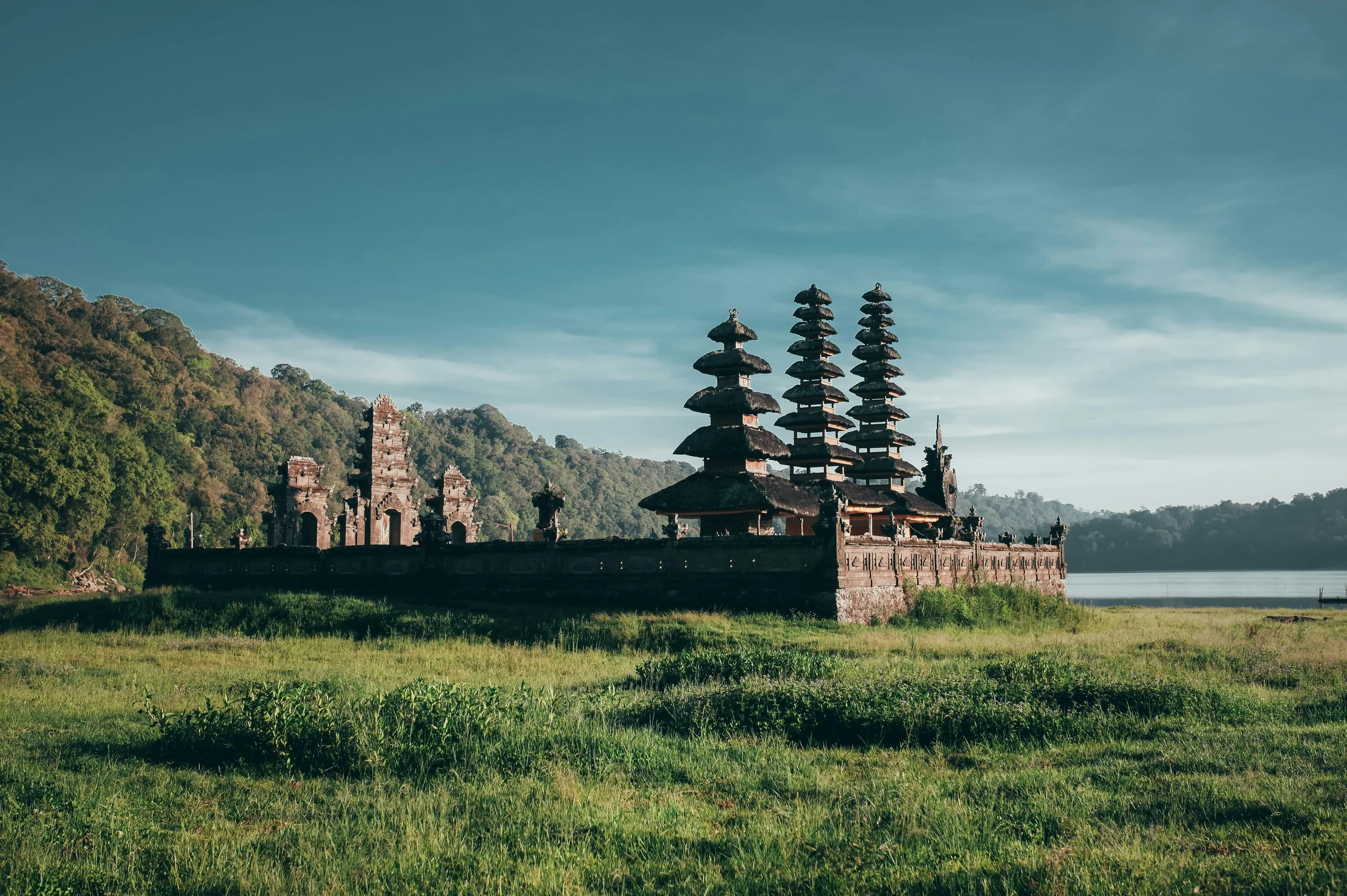
6. Pura Ulun Danu Batur’s Inner Courtyards
Most tourists only see the main shrine, but the inner zones contain incredible meru towers, offering plates, and shrines with volcanic stone detailing.
Why visit: Tranquil corners, living rituals, proximity to Mount Batur.
Best for: Culture lovers & volcano trekkers.
7. Pura Rambut Siwi’s Cliffside Shrines
While the main temple gets the occasional crowd, the cliffside shrines overlooking the sea remain hidden and unbelievably scenic.
Why visit: Sunset views, ocean breeze, quiet prayer spaces.
Best for: Sunset chasers & contemplative travellers.
8. Pura Penataran Sasih (Pejeng – “The Moon Temple”)
Home to the Bronze Age “Moon of Pejeng” drum, this temple carries layers of historical mysteries linked to ancient Balinese kingdoms.
Why visit: Archaeological significance, unique relics, peaceful surroundings.
Best for: History buffs & curious travellers.
How to Plan Your Temple Trail in Bali
Best Time to Visit
Early mornings (7–10 AM): Soft light, fewer people, cooler weather.
Dry Season (April–October): Clear skies are ideal for photography and architecture walks.
Avoid full moon/new moon evenings unless you want to witness ceremonies (beautiful but crowded).
Travel Essentials for Your Temple Journey
Sarong + Sash (mandatory in Balinese temples)
Reusable water bottle
Light shawl or umbrella (mountain temples get misty)
Cash for small donations
Respectful clothing (shoulders & legs covered)
Temple Etiquette
No loud conversations
Do not walk in front of praying locals
Photography is allowed only where signs permit
Do not touch or move offerings (canang sari)
Avoid entering sacred inner shrines unless invited
How to Stay Sustainable While Visiting
Support local guides and village-run temple tours
Do not disturb wildlife, especially monkeys in forest temples
Avoid plastic bottles and packaged snacks
Buy handicrafts locally instead of mass-produced souvenirs
Final Thoughts
Exploring these lesser-known Balinese temples lets you experience the island as locals do — not as a tourist destination but as a living, breathing spiritual ecosystem. From mountain shrines bathed in mist to cliffside holy spaces overlooking the Indian Ocean, each temple tells a story of devotion, harmony, and architectural mastery.
If you’re seeking tranquillity, authenticity, and beauty beyond the mainstream — this is the Bali you were meant to discover.


