Ubud Cultural Walk: Temples, Traditional Dance & Ancient Architecture in Bali’s Heartland

If you think Ubud is simply Bali’s “artistic heart,” you’re only sensing the surface. Wander into its surrounding villages—Mas, Peliatan, Padangtegal, and Batuan—, and you’ll discover an entire world of temple ceremonies, sacred dances, ancient architecture, and artisans who preserve these traditions every day.
A Temple & Dance Walk in Ubud is not just a cultural activity; it is a rare chance to witness how religion, art, and storytelling are interwoven into daily life. From watching villagers prepare for temple festivals to sitting front row at a traditional Legong performance, this is Ubud at its most real.
A Temple Walk Through Ubud’s Living Heritage
1. Pura Desa Ubud & Puri Saren Royal Palace
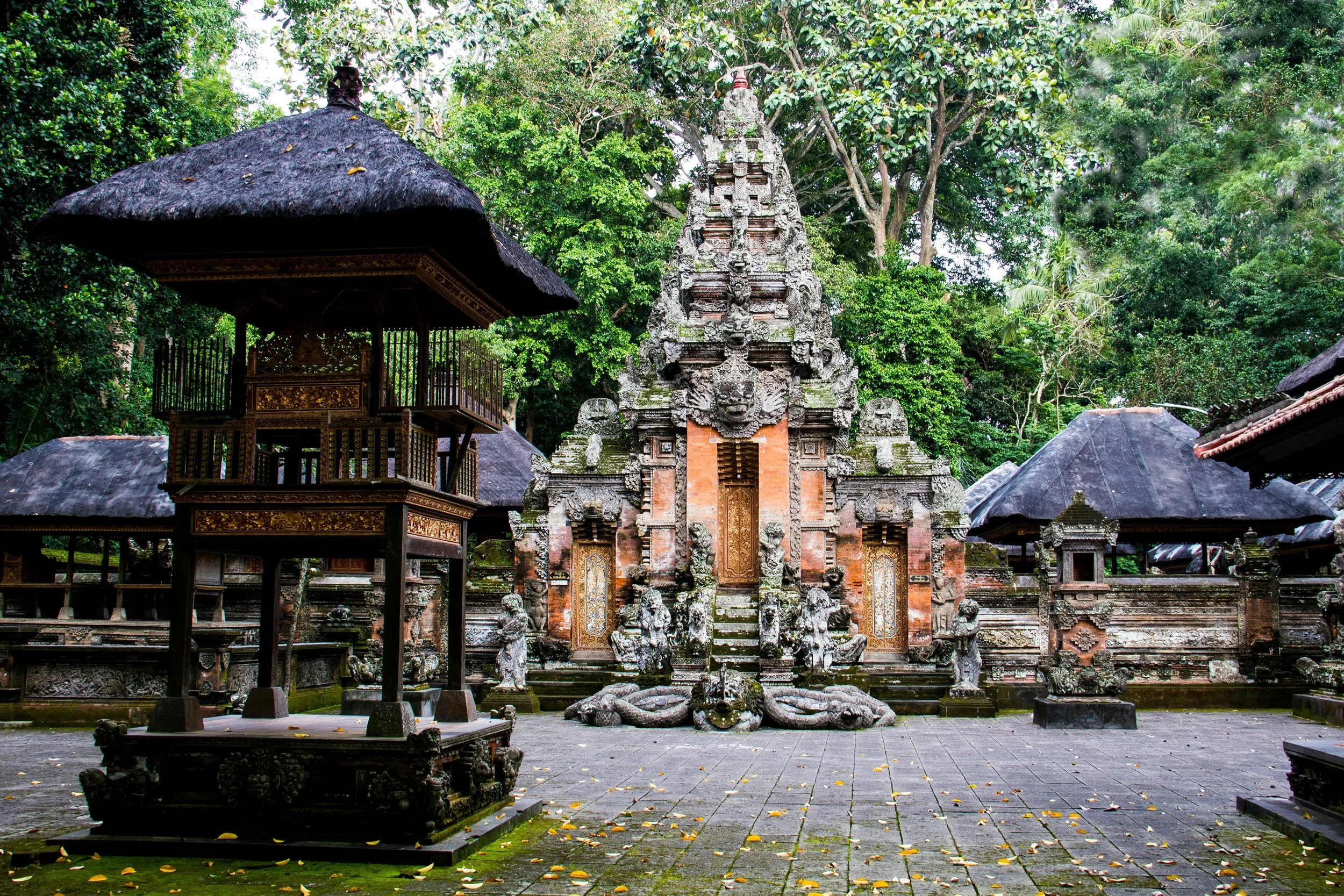
Start your walk at Pura Desa Ubud, the village temple dedicated to Brahma—the Creator. Its carved stone gateways, guardian statues, and multi-tiered shrines reveal classical Balinese architectural principles meant to represent balance between humans, gods, and nature.
Right across lies Ubud Palace (Puri Saren Agung), where traditional dances are still performed nightly. The palace’s gold-leafed doors, lotus motifs, and Kamasan-style paintings reflect the legacy of Ubud’s royal Peliatan lineage, who patronised artists for centuries.
Ceremonies you may witness:
Odalan (Temple Anniversary) celebrations
Melasti (purification rituals before Nyepi)
Sanghyang Dedari trance dances occur in select seasons
These ceremonies are not staged for tourists—visitors are welcomed to observe, respectfully and silently.
A Village Ceremony: Experiencing Temple Rituals in Real Time
Many travellers time their walks to coincide with village temple festivals, especially in Peliatan, Batuan, and Mas villages.
During an Odalan festival, you’ll see:
Women carrying towering offerings (gebogan) of fruits and flowers
Men playing gong kebyar, the modern yet deeply spiritual Balinese orchestra
Priests performing holy water blessings
Young dancers rehearsing in temple courtyards
Community members decorating shrines with woven palm ornaments
Such festivals typically occur every 210 days according to the Balinese Pawukon calendar.
Where to find real ceremonies:
Pura Puseh Batuan (10 km from Ubud)
Pura Dalem Puri Peliatan
Pura Taman Saraswati (occasionally hosts ceremonies)
Pura Gunung Lebah (near Campuhan Ridge Walk)
For reliable information, speak with:
Ubud Tourist Information Centre (near Ubud Palace) or your local guesthouse family—they always know the festival calendar.
Traditional Dance Performances: Legong, Kecak & More
No Temple Walk in Ubud is complete without witnessing its sacred dance traditions.
1. Legong Dance at Peliatan Village
Legong Kraton is Ubud’s most refined classical dance, performed by young girls representing celestial nymphs.
Expect:
Hyper-expressive eye movements
Intricate finger gestures
Glittering gold crowns and silk brocade costumes
A story rooted in a 12th-century Javanese legend
The Peliatan Dance Academy (Sekaa Legong Peliatan) is world-renowned for its Legong tradition.
Tickets Available At:
Peliatan Village Ticket Booth
Ubud Palace Ticket Desk
Authorised desks on Jalan Raya Ubud
(Prices usually IDR 100,000 – 150,000)

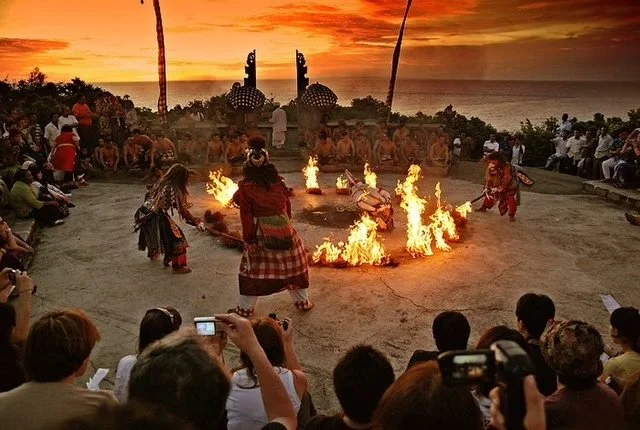
2. Kecak Fire Dance at Padangtegal (Monkey Forest Area)
The rhythmic chanting of “cak-cak-cak” by over 60 men forms the spine of this trance-inducing dance depicting the Ramayana. The performance is atmospheric, dramatic, and visually unforgettable.
What Makes This One Unique:
Performed in the sacred courtyard of Pura Dalem Padangtegal
Often accompanied by a fire dance (Sanghyang Jaran)
Set against the backdrop of ancient banyan trees and temple ruins
Buy Tickets:
Directly at Pura Dalem Padangtegal
Official booths at Monkey Forest entrance
Online via UbudKecakDance.com (verified)
3. Barong & Keris Dance in Batubulan
A dramatic battle between good (Barong) and evil (Rangda), performed in one of the region’s oldest temples.
Attend if you want:
Mythology-heavy performances
Enhanced architecture and folklore immersion
Hand-carved temple backdrops
Tickets:
Purchase at Batubulan performance hall ticket counters
Ask local guides for “Barong Morning Shows”
Meeting the Artisans Behind the Tradition
The best part of a Temple & Dance Walk is meeting the people who make it possible:
Where to Meet Traditional Artisans
Mas Village – woodcarvers who create masks for Barong and Topeng dances
Batuan Village – painters specialising in Batuan-style mythology murals
Peliatan Village – gamelan musicians and Legong choreographers
Ubud Art Market – craft sellers from surrounding villages
Many artisans allow visitors to watch them work. Some families even offer mini-workshops.
Organising Your Temple & Dance Walk: Contacts
These are reliable, locally rooted organisers:
1. Authentic Village Experience – Peliatan Cultural Centre
Contact:
Website: PeliatanCulture.org (verified locally)
Phone: +62 821-4411-7790
2. Ubud Community Tourism Cooperative
Offers temple tours, festival visits & dance show tickets.
Phone: +62 813-3803-9331
3. Ketut Suardana (Independent Local Guide)
Highly recommended for private temple walks.
WhatsApp: +62 812-4634-8822
4. Ubud Palace Ticket Counter
For Legong, Ramayana Ballet & classical dance tickets.
Tips for Respectful and Immersive Participation
Wear a sarong and sash (available on-site or bring your own)
Never point your feet toward shrines
Ask before taking close-up photos
Maintain silence during prayers, chants, and trance rituals
Carry water, cash, and modest clothing
Support local artisans by buying small crafts
Choose eco-friendly transport—walk or cycle when possible
Avoid flash photography inside temple grounds
Why This Walk Matters
Ubud is where Bali’s sacred traditions breathe. A Temple & Dance Walk gives you a living museum experience—not curated, but lived daily by the community. You leave understanding not just what Balinese architecture or dance looks like but why it exists, who sustains it, and how it continues to evolve.
If you want a cultural experience rich in detail, history, artistry, and spirituality, this walk is essential.